
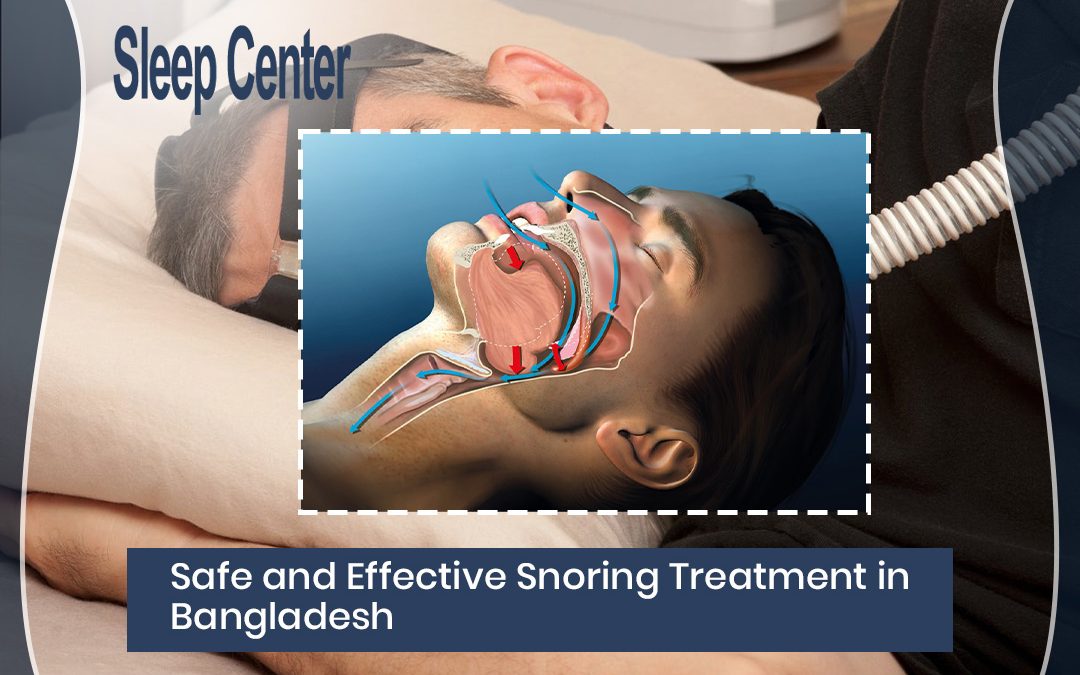
Snoring affects many people in Bangladesh, disrupting sleep for both the snorer and their partner. While occasional snoring is common, frequent or loud snoring can signal underlying issues like obstructive sleep apnea (OSA). Fortunately, safe and effective snoring treatments are available in Dhaka and other major cities, ranging from simple lifestyle adjustments to advanced medical interventions. Specialists use evidence-based approaches to reduce or eliminate snoring while prioritizing patient safety and long-term health.
What Causes Snoring: An Overview
Snoring occurs when airflow through the mouth and nose is partially obstructed during sleep, causing tissues in the throat (soft palate, uvula, tongue, or tonsils) to vibrate. Common causes include:
- Excess weight leading to fat deposits around the neck.
- Nasal congestion from allergies, sinus issues, or deviated septum.
- Anatomical factors like enlarged tonsils, adenoids, or a low-hanging soft palate.
- Alcohol or sedative use relaxing throat muscles.
- Sleeping position (especially on the back).
- Aging, which reduces muscle tone in the throat.
Understanding the cause helps tailor safe, targeted treatment.
When Snoring Becomes a Health Concern
Snoring alone may be benign, but it becomes concerning when accompanied by:
- Witnessed breathing pauses or gasping.
- Excessive daytime sleepiness or fatigue.
- Morning headaches or dry mouth.
- High blood pressure or heart issues.
- Poor concentration or mood changes.
These signs often indicate OSA, which increases risks of cardiovascular disease, stroke, and diabetes if untreated.
How Snoring Is Diagnosed by Sleep Specialists
Diagnosis starts with a consultation: specialists review symptoms, medical history, and lifestyle. They may use questionnaires or examine the airway. For accurate assessment, a sleep study (polysomnography or home sleep test) monitors breathing, oxygen levels, snoring intensity, and sleep stages overnight. In Bangladesh, centers conduct these to differentiate simple snoring from OSA and guide safe treatment.
Lifestyle Changes to Reduce Snoring
Many patients achieve significant improvement with non-invasive changes:
- Lose weight if overweight— even modest reduction eases airway pressure.
- Sleep on your side (use pillows or positional devices).
- Avoid alcohol, sedatives, and heavy meals before bed.
- Treat nasal congestion with saline sprays, antihistamines, or nasal strips.
- Maintain good sleep hygiene: consistent schedule, cool/dark bedroom.
- Quit smoking to reduce airway inflammation.
These safe steps often form the first line of treatment.
Effective Medical Treatments for Snoring in Bangladesh
Bangladesh offers proven options:
- Nasal treatments — For congestion-related snoring (decongestants, surgery for deviated septum).
- Oral appliances — Custom mandibular advancement devices to hold the jaw forward.
- CPAP therapy — For OSA-linked snoring; delivers air to keep airways open.
- Surgical procedures — Uvulopalatopharyngoplasty (UPPP), tonsillectomy, or minimally invasive options for select cases.
- Positional therapy or lifestyle coaching.
Treatments are selected based on severity and cause.
Safe Use of Oral Appliances and Devices
Oral appliances (e.g., mandibular advancement devices like Silensor-sl) are effective for mild-moderate snoring and OSA. Custom-fitted by dentists or specialists, they advance the lower jaw to widen the airway. Safe when:
- Fitted professionally with follow-up adjustments.
- Monitored for dental side effects (e.g., jaw discomfort, tooth movement).
- Used as prescribed (nightly).
Many patients prefer them over CPAP for comfort and travel ease.
CPAP and Other Therapies for Severe Snoring
For snoring tied to moderate-severe OSA, CPAP (Continuous Positive Airway Pressure) is highly effective and safe, preventing airway collapse with gentle air pressure via a mask. Alternatives include:
- BiPAP for varying pressure needs.
- Auto-titrating CPAP for comfort.
- Surgery (e.g., airway reconstruction) for structural issues.
Titration during sleep studies ensures optimal, safe settings.
Snoring Treatment Options for Different Age Groups
- Children — Often due to enlarged adenoids/tonsils; adenoidectomy or tonsillectomy is common and safe.
- Adults (young-middle age) — Lifestyle changes, oral appliances, or CPAP for OSA.
- Elderly — Focus on non-invasive options (oral devices, positional therapy) due to comorbidities; surgery is cautious.
Tailored plans consider age-related factors like muscle tone or health conditions.
Choosing the Right Snoring Specialist in Bangladesh
Select a specialist with:
- Experience in sleep medicine, ENT, or pulmonology.
- Access to sleep studies and modern treatments.
- Positive patient outcomes and comprehensive care.
- Affiliations with reputable centers.
In Dhaka, top options include:
- Dr. M. Muinul Hafiz — Leading ENT and sleep apnea/snoring expert at Sleep Center BD and ENT Care Center (Gulshan).
- Specialists at Evercare Hospital, Square Hospital, Labaid Specialized Hospital, or Dhaka Sleep Research Centre (DSRC) for sleep studies and therapies.
Verify credentials and facilities for safe care.
Tips for Long-Term Snoring Prevention and Better Sleep
Maintain results with:
- Ongoing weight management and exercise.
- Consistent side sleeping and nasal hygiene.
- Regular follow-ups with your specialist.
- Avoiding triggers (alcohol, late meals).
- Good overall sleep hygiene (7–9 hours, relaxing routine).
- Monitoring symptoms and adjusting devices as needed.
Safe, effective snoring treatment in Bangladesh can restore peaceful nights and protect health. If snoring disrupts your life, consult a qualified specialist—many patients experience dramatic improvements with the right approach. Start with a consultation at a trusted center today for personalized, evidence-based care.