
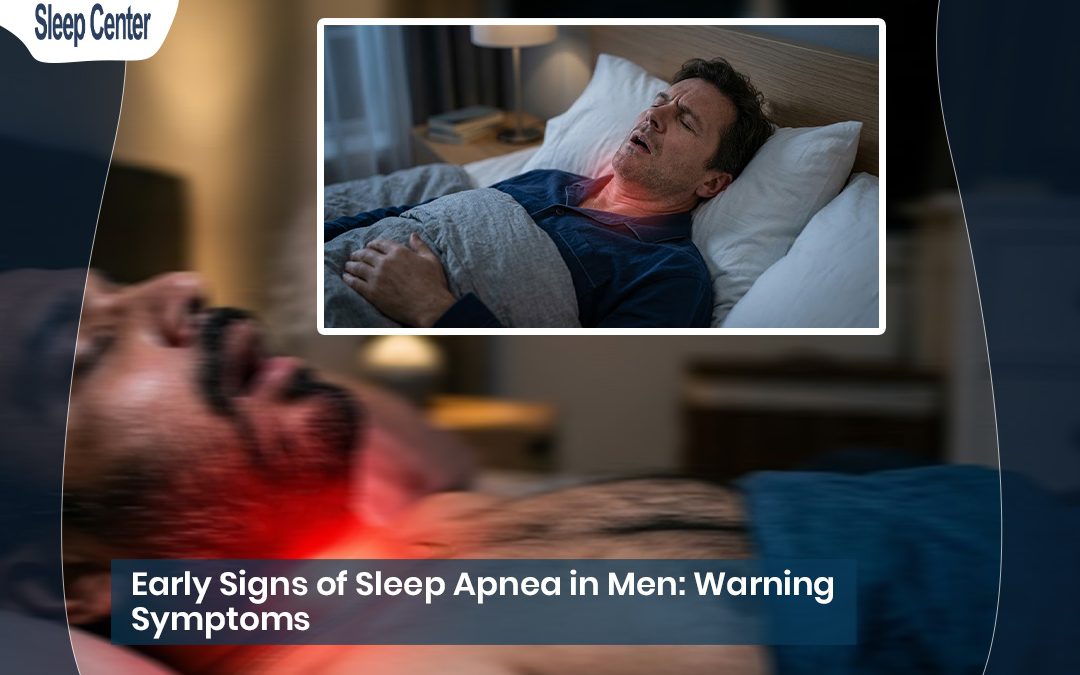
Sleep apnea is a serious but often overlooked sleep disorder that affects millions of men worldwide, including in busy urban settings like Dhaka. It causes repeated interruptions in breathing during sleep, leading to fragmented rest and potential long-term health risks. Recognizing early signs of sleep apnea in men is crucial because men tend to develop it more frequently and severely than women, especially before age 50. Untreated, it can contribute to high blood pressure, heart disease, reduced productivity, and mood issues. Professional evaluation at a dedicated sleep therapy center in Dhaka can make a significant difference through accurate diagnosis and effective treatment.
What Is Sleep Apnea and Why It Affects Men More
Obstructive Sleep Apnea (OSA), the most common type, occurs when the muscles in the throat relax excessively during sleep, causing the airway to narrow or collapse. This leads to breathing pauses (apneas) lasting 10 seconds or longer, often followed by gasping or choking as the body fights to resume breathing. These episodes can happen dozens or even hundreds of times per night, reducing oxygen levels and preventing deep, restorative sleep.
Men are 2–3 times more likely to develop OSA than pre-menopausal women. Key reasons include:
- Anatomical differences — Men typically have longer, more collapsible upper airways and larger neck circumferences.
- Fat distribution — Men tend to accumulate more fat around the neck and abdomen, which increases airway pressure.
- Hormonal factors — Protective effects of female hormones (like progesterone) before menopause reduce risk in women.
After menopause, women’s risk rises and approaches that of men. In Dhaka’s context, where lifestyle factors like stress and irregular schedules are common, early awareness helps men seek timely care.
Loud Snoring: The Most Common Early Warning Sign
One of the earliest and most noticeable signs is loud, chronic snoring, often interrupted by pauses or snorting sounds. While not everyone who snores has sleep apnea, persistent loud snoring (especially if it disturbs a partner) is a strong indicator of airway obstruction.
In men, snoring is frequently more prominent due to anatomical factors. If your bed partner reports heavy snoring with gasping or choking noises, it’s time to pay attention—this is often the first clue that breathing is being disrupted during sleep.
Daytime Fatigue and Excessive Sleepiness in Men
Many men with sleep apnea wake up feeling unrefreshed despite spending 7–8 hours in bed. This leads to excessive daytime sleepiness (hypersomnia) or profound fatigue. You might find yourself dozing off during meetings, while driving, or watching TV—situations that can become dangerous.
This fatigue stems from repeated micro-awakenings that fragment sleep cycles, preventing the body from reaching restorative deep sleep stages. In busy professionals in Dhaka, this can manifest as reduced productivity, slower reaction times, and increased accident risk.
Morning Headaches and Dry Mouth After Sleep
Waking with a morning headache (often described as a dull pressure) is another common early sign. It results from overnight drops in oxygen levels and increases in carbon dioxide, which dilate blood vessels in the brain.
A dry mouth or sore throat upon waking is also frequent because many men with apnea breathe through their mouth as the nasal or throat airway narrows. These symptoms can occur even without obvious snoring if the apnea is milder.
Breathing Pauses During Sleep: What to Watch For
The hallmark of sleep apnea is witnessed breathing pauses—periods where breathing stops completely, followed by sudden gasping, choking, or snorting as the airway reopens. A partner or family member is usually the first to notice these episodes.
You might also experience restless sleep with frequent tossing, turning, or sudden body jerks. These pauses reduce blood oxygen and trigger stress responses in the body, contributing to all other symptoms. Even if you don’t remember them, they significantly impair sleep quality.
Difficulty Concentrating and Memory Problems
Chronic oxygen deprivation and poor sleep quality affect brain function, leading to cognitive issues such as:
- Trouble focusing or paying attention
- Memory lapses (forgetting names, tasks, or recent events)
- Slower thinking and decision-making
Men often report “brain fog” at work, which can impact performance in demanding jobs common in Dhaka. These problems arise because repeated sleep interruptions disrupt memory consolidation and executive function.
Mood Changes: Irritability, Anxiety, and Depression
Sleep apnea frequently triggers mood disturbances. Men may become more irritable, short-tempered, or anxious without an obvious cause. Over time, untreated cases are linked to higher rates of depression.
The combination of fatigue, poor sleep, and hormonal shifts (e.g., lower testosterone) contributes to these changes. Many men notice emotional volatility or reduced interest in daily activities, which can strain relationships and work life.
High Blood Pressure Linked to Sleep Apnea
Sleep apnea is strongly associated with hypertension (high blood pressure), especially treatment-resistant cases. Each breathing pause causes a surge in blood pressure and stress hormones as the body struggles for oxygen.
Over years, this repeated strain increases the risk of heart disease, stroke, and other cardiovascular problems. In men, who already face higher baseline cardiovascular risks in many populations, addressing sleep apnea can help better control blood pressure.
Risk Factors in Men: Obesity, Smoking, and Alcohol
Several modifiable factors heighten the risk in men:
- Obesity — Especially excess weight around the neck and abdomen, which narrows the airway.
- Smoking — Irritates and inflames the upper airway, worsening collapsibility.
- Alcohol — Relaxes throat muscles, increasing the likelihood of airway collapse (avoid drinking close to bedtime).
- Other contributors include large neck size (>17 inches in men), aging, family history, and nasal congestion.
Lifestyle changes like weight management, quitting smoking, and limiting alcohol can significantly reduce severity or even help prevent progression.
When to See a Doctor for Sleep Apnea Symptoms
Don’t dismiss these signs as “just aging” or “normal snoring.” Consult a doctor or sleep specialist if you experience:
- Loud snoring with witnessed breathing pauses or gasping
- Persistent daytime fatigue despite adequate sleep time
- Morning headaches or dry mouth
- Difficulty concentrating, memory issues, or mood changes
- High blood pressure that’s hard to control
In Dhaka, specialized sleep therapy centers offer convenient sleep studies (in-lab or home-based) to diagnose apnea accurately. Early intervention with options like CPAP therapy, oral appliances, behavioral techniques, or lifestyle adjustments can dramatically improve symptoms and long-term health.
If you or a loved one shows these early signs of sleep apnea, seek professional help promptly. Better sleep leads to more energy, sharper focus, stable mood, and reduced health risks—benefits every man in Dhaka deserves.
For expert evaluation and personalized care, consider reaching out to a trusted sleep therapy center equipped with advanced diagnostic tools and comprehensive treatment options. Taking action today can transform your nights and days.