
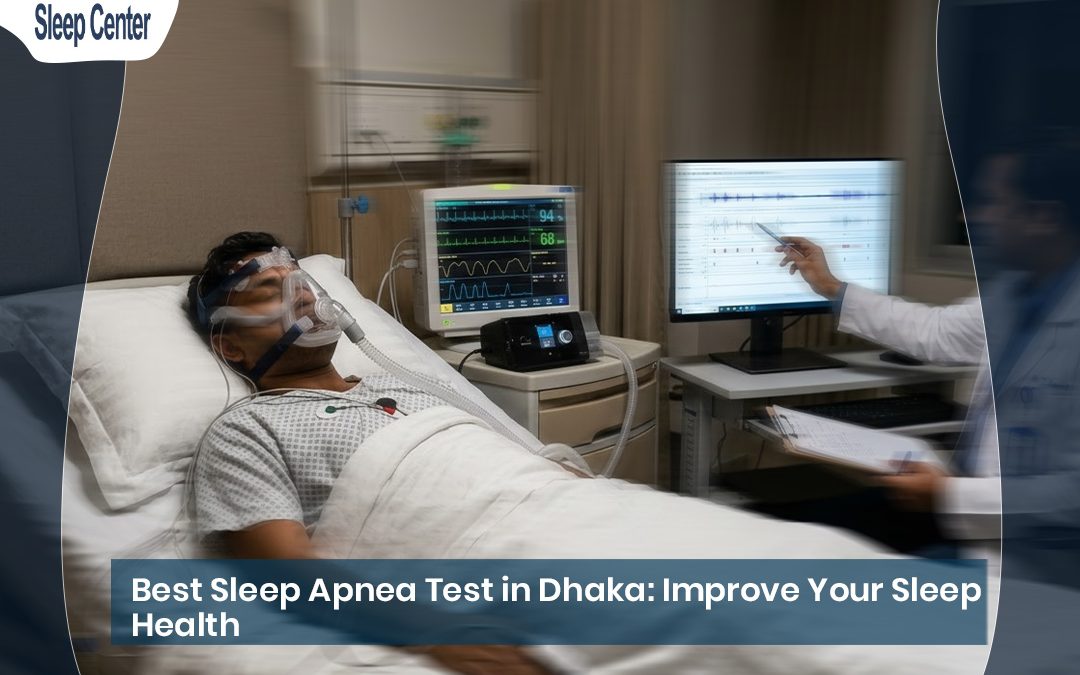
Sleep apnea is a serious condition that affects breathing during sleep and can quietly harm your heart, brain, and daily energy levels. In Dhaka, where busy lifestyles, pollution, and stress are common, many people unknowingly suffer from it. The good news? Getting the best sleep apnea test in Dhaka is now easier and more accurate than ever. Specialized centers like Sleep Center BD, DSRC (Dhaka Sleep Research Centre), Square Hospital’s Respiratory and Sleep Medicine Centre, Evercare Hospital, and United Hospital offer advanced testing options to diagnose and guide effective treatment.
What Is Sleep Apnea and Why It Matters
Sleep apnea causes repeated pauses in breathing while you sleep — sometimes 10 to 30+ times per hour. These pauses drop oxygen levels, raise blood pressure, and fragment deep sleep. If left untreated, it significantly increases the risk of hypertension, heart attack, stroke, type 2 diabetes, depression, and even road accidents. In Bangladesh, rising obesity and urban factors have made sleep apnea more common, making timely testing essential for long-term health and better quality of life.
Common Symptoms of Sleep Apnea
Watch for these warning signs:
- Loud snoring interrupted by choking or gasping sounds
- Excessive daytime sleepiness or fatigue despite enough bed time
- Morning headaches or dry mouth
- Difficulty concentrating, irritability, or memory problems
- Frequent nighttime urination or restless sleep Your partner often notices the breathing pauses first — don’t ignore them.
Types of Sleep Apnea (Obstructive, Central, Complex)
- Obstructive Sleep Apnea (OSA) — The most common type; the throat airway collapses or becomes blocked due to relaxed muscles, excess weight, or anatomical issues.
- Central Sleep Apnea (CSA) — The brain fails to send proper signals to breathing muscles; often linked to heart or neurological conditions.
- Complex Sleep Apnea — A combination of both OSA and CSA that can appear during treatment.
Why You Should Get a Sleep Apnea Test in Dhaka
A proper test confirms the diagnosis, measures severity (using the Apnea-Hypopnea Index or AHI), and rules out other disorders. Early detection prevents serious complications and allows personalized treatment. In Dhaka’s demanding environment, testing at a reputable center gives you accurate results and quick access to CPAP machines and follow-up care.
Types of Sleep Apnea Tests Available
Dhaka offers two main options:
- In-lab Polysomnography (PSG) — The gold-standard comprehensive test.
- Home Sleep Apnea Test (HSAT) — Convenient portable testing for straightforward cases. Other specialized tests include split-night studies (diagnosis + CPAP trial in one night) and CPAP titration studies.
How a Sleep Study (Polysomnography) Works
During PSG, sensors painlessly monitor:
- Brain waves (EEG)
- Eye movements
- Heart rate
- Breathing effort and airflow
- Oxygen saturation
- Leg movements Technicians record everything overnight so doctors can analyze sleep stages and breathing patterns.
Home Sleep Apnea Testing vs Lab Testing
Home Sleep Apnea Test (HSAT)
- Done in your own bed
- Measures breathing, effort, oxygen, and snoring
- Ideal for suspected moderate-to-severe OSA
- More affordable and comfortable
- Less detailed (no full brain-wave data)
In-Lab Polysomnography
- Supervised in a sleep lab
- Most accurate and comprehensive
- Detects complex apnea or other disorders
- Recommended when home results are unclear or symptoms are unusual
Many specialists start with a home test and move to lab testing if needed.
What to Expect During Your Sleep Apnea Test
- Home Test: Pick up a small portable device, wear simple sensors (nasal cannula, chest belt, finger clip) for one night, then return it.
- Lab Test: Arrive in the evening at a private, hotel-like room; sensors are attached (30–60 minutes); sleep normally while monitored; sensors removed in the morning.
Both are non-invasive and painless. Avoid caffeine and alcohol beforehand for accurate results.
Treatment Options After Diagnosis
Treatment depends on type and severity:
- CPAP or BiPAP therapy — The most effective for moderate-severe OSA (air pressure keeps airways open).
- Oral appliances — Custom mouthpieces for mild cases.
- Lifestyle changes — Weight loss, side sleeping, avoiding alcohol.
- Surgery — For enlarged tonsils, deviated septum, or other anatomical fixes.
- Positional therapy devices for back-sleeping issues.
Tips to Improve Sleep Health and Prevent Sleep Apnea
- Maintain a healthy weight — even 10% loss can reduce symptoms dramatically.
- Sleep on your side using pillows or positional aids.
- Avoid alcohol, sedatives, and heavy meals before bedtime.
- Treat nasal allergies or congestion promptly.
- Exercise regularly and quit smoking.
- Follow good sleep hygiene: consistent bedtime, cool/dark/quiet room, limit screen time.
- Manage stress with relaxation techniques.
If you snore loudly, feel tired all day, or your partner notices breathing pauses, don’t wait. The best sleep apnea test in Dhaka can change your life. Visit trusted centers such as Sleep Center BD (Gulshan) for expert home or lab testing, DSRC (Aftabnagar), Square Hospital, Evercare Hospital, or United Hospital. Costs typically range from BDT 8,000–20,000 for home tests and BDT 15,000–40,000 for in-lab PSG.
Take the first step toward better sleep and better health today — schedule your sleep apnea test in Dhaka and wake up refreshed!