
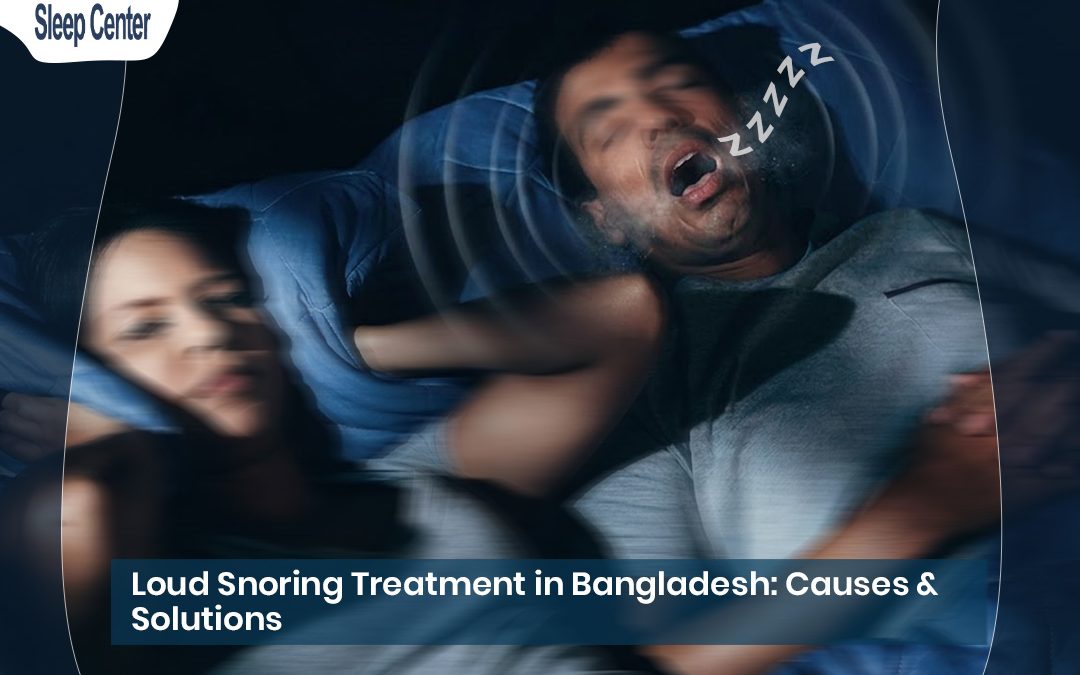
Loud snoring is a common issue that affects many people in Bangladesh, often disrupting sleep for both the snorer and their partner. While occasional snoring is harmless, persistent loud snoring can signal underlying health problems. In Dhaka and across the country, specialized sleep centers, ENT specialists, pulmonologists, and neurologists provide effective diagnosis and treatment for snoring and related conditions like sleep apnea.
What Is Loud Snoring and Why Does It Happen?
Snoring occurs when airflow through the mouth and nose is partially obstructed during sleep, causing the soft tissues in the throat (such as the soft palate, uvula, and tongue) to vibrate. This produces the characteristic rattling or buzzing sound. Loud snoring happens when the obstruction is more significant, often due to relaxed throat muscles, narrowed airways, or excess tissue. It is more pronounced during deep sleep stages and can be intermittent or continuous throughout the night.
Common Causes of Loud Snoring
Several factors contribute to loud snoring:
- Nasal congestion from allergies, sinus infections, colds, or deviated septum, forcing mouth breathing.
- Relaxed throat and tongue muscles, especially during deep sleep.
- Excess weight or obesity, particularly fat deposits around the neck that narrow the airway.
- Sleeping position, as lying on the back allows the tongue and soft palate to fall backward.
- Alcohol consumption or sedatives, which relax throat muscles further.
- Aging, as throat muscles lose tone over time.
- Anatomical issues like enlarged tonsils, adenoids, or a large uvula.
Risk Factors That Make Snoring Worse
Certain factors increase the likelihood or severity of loud snoring:
- Being male (men are more prone due to narrower airways and fat distribution).
- Middle age or older.
- Family history of snoring or sleep apnea.
- Smoking, which irritates airways and causes inflammation.
- Pregnancy (due to hormonal changes and weight gain).
- Chronic nasal issues or allergies common in humid climates like Bangladesh.
When Is Snoring a Serious Health Problem?
Snoring becomes concerning when it is loud, habitual, and accompanied by other symptoms. It may indicate poor sleep quality leading to daytime fatigue, irritability, or concentration issues. Persistent loud snoring raises risks for high blood pressure, heart disease, stroke, and diabetes if left unaddressed.
Link Between Snoring and Sleep Apnea
Loud snoring is the most common symptom of obstructive sleep apnea (OSA), the most prevalent type in Bangladesh and worldwide. In OSA, the airway collapses repeatedly during sleep, causing breathing pauses (apneas) lasting seconds to minutes. This leads to gasping, choking sounds, frequent awakenings (often unnoticed), and fragmented sleep. Untreated OSA increases risks of cardiovascular problems, daytime sleepiness, accidents, and reduced quality of life.
How Doctors Diagnose Snoring Issues in Bangladesh
Diagnosis starts with a detailed history and physical exam, focusing on symptoms, sleep patterns, and risk factors. Specialists may use:
- Questionnaires or partner observations about snoring intensity and breathing pauses.
- Home sleep tests or polysomnography (overnight sleep study) in labs at centers like Sleep Center BD, Square Hospital, ENT Care Center, or DSRC in Dhaka to measure breathing, oxygen levels, and apneas.
- Blood tests or ENT evaluations to rule out nasal issues or other causes.
Effective Treatment Options for Loud Snoring
Treatment depends on severity and whether sleep apnea is present. Options available in Bangladesh include:
- CPAP/BiPAP therapy — Gold standard for OSA; a mask delivers continuous air pressure to keep airways open.
- Oral appliances — Custom mouthpieces from dentists to advance the jaw and tongue.
- Surgery — For anatomical issues (e.g., tonsillectomy, septoplasty, or uvulopalatopharyngoplasty) in select cases.
- Positional therapy devices or lifestyle interventions for milder cases.
Lifestyle Changes to Reduce Snoring Naturally
Many people see improvement with simple adjustments:
- Lose weight if overweight—even modest reduction eases airway pressure.
- Sleep on your side (use pillows or positional aids) instead of your back.
- Avoid alcohol, sedatives, and heavy meals close to bedtime.
- Quit smoking to reduce airway inflammation.
- Maintain good sleep hygiene: consistent schedule, cool/dark room.
- Elevate your head slightly with an extra pillow.
Home Remedies for Snoring Relief
Try these before or alongside professional care:
- Nasal strips or dilators to open nasal passages.
- Throat exercises (e.g., tongue slides, singing) to strengthen muscles.
- Humidifiers to prevent dry airways, especially in dry seasons.
- Peppermint oil or steam inhalation for congestion.
- Honey with warm water before bed for soothing the throat.
When to Consult a Snoring Specialist in Bangladesh
See a specialist promptly if snoring is loud and chronic, includes gasping/choking, causes excessive daytime sleepiness, morning headaches, or dry mouth upon waking. Also seek help if it affects relationships, work, or if you have high blood pressure/heart issues.
In Dhaka, trusted options include Sleep Center BD (specializing in sleep studies and CPAP), ENT Care Center, DSRC Sleep Clinic, Square Hospital’s Respiratory and Sleep Medicine Centre, or pulmonologists/neurologists at major hospitals like Evercare or Apollo. Early intervention can dramatically improve sleep, health, and daily energy.
Don’t ignore loud snoring—effective solutions are readily available in Bangladesh to help you (and your partner) enjoy quieter, restorative nights.