
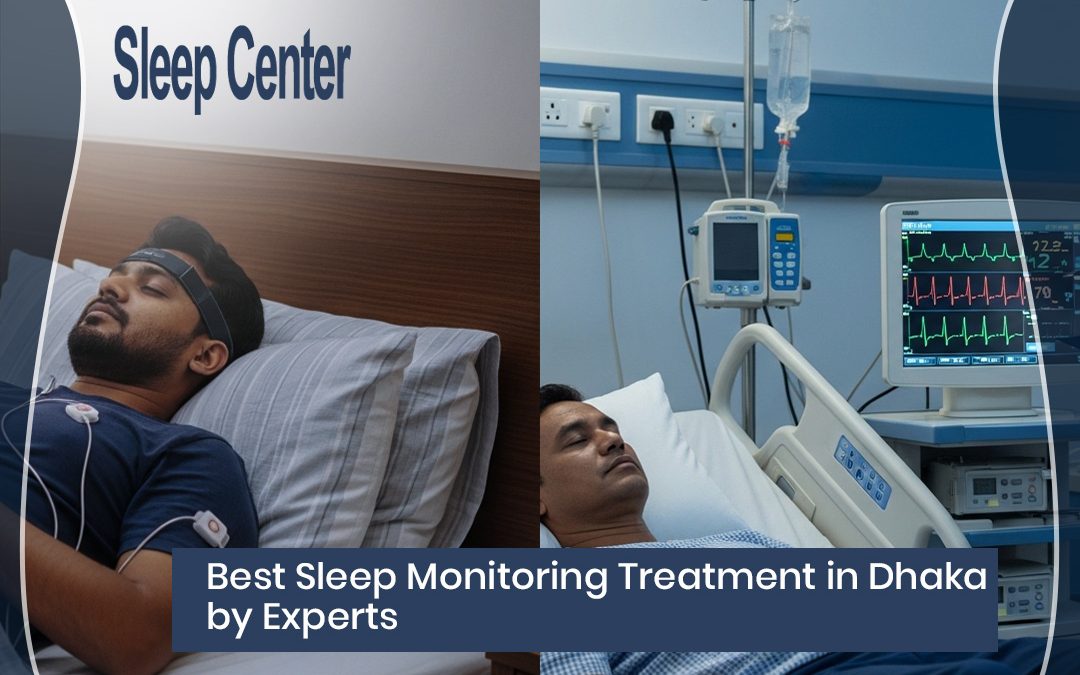
In Dhaka’s fast-paced environment, poor sleep is increasingly common due to stress, pollution, and irregular routines. Sleep monitoring treatment—primarily through professional sleep studies—offers precise insights into sleep patterns, enabling experts to diagnose disorders and recommend effective therapies. Led by experienced pulmonologists, ENT specialists, and sleep medicine professionals, these services help restore healthy sleep, boost energy, and reduce health risks like cardiovascular issues.
What Is Sleep Monitoring Treatment?
Sleep monitoring treatment refers to the diagnostic and therapeutic process that involves tracking physiological parameters during sleep to evaluate sleep quality and identify disorders. The core component is a sleep study (polysomnography or home-based testing), where body functions are monitored overnight. Results guide tailored treatments such as CPAP therapy, behavioral interventions, or lifestyle adjustments. In Dhaka, experts use this approach to provide evidence-based care for conditions like sleep apnea and insomnia.
Why Sleep Monitoring Is Important for Health
Quality sleep supports immune function, cognitive performance, mood stability, and metabolic health. Untreated sleep disorders increase risks of hypertension, diabetes, obesity, stroke, and depression. Sleep monitoring detects hidden issues (e.g., breathing pauses or fragmented sleep) that self-reporting misses, enabling early intervention to prevent long-term complications and improve daily functioning.
Types of Sleep Monitoring Techniques Used in Dhaka
Dhaka offers several monitoring methods:
- Polysomnography (PSG) — The gold standard; comprehensive overnight lab-based test recording brain waves (EEG), eye movements, heart rate, breathing, oxygen levels, and muscle activity.
- Home Sleep Apnea Testing (HSAT) — Portable device for simpler cases, mainly assessing breathing and oxygen for suspected obstructive sleep apnea (OSA).
- Multiple Sleep Latency Test (MSLT) — Daytime nap test to measure sleepiness, used for narcolepsy.
- Actigraphy — Wearable device tracking movement over days/weeks for circadian rhythm issues.
Most centers prioritize PSG for accuracy in complex cases.
How Expert Sleep Specialists in Dhaka Conduct Sleep Monitoring
Specialists begin with a consultation: reviewing symptoms, medical history, and lifestyle. They determine the appropriate test (e.g., PSG for suspected apnea). During monitoring, trained technicians attach sensors in a comfortable lab setting. Data is analyzed post-study by experts to score sleep stages, apneas, arousals, and other events. Follow-up consultations explain findings and outline treatment.
Top Sleep Centers in Dhaka Offering Monitoring Treatments
Dhaka hosts several reputable facilities with advanced sleep monitoring:
- Sleep Center BD (Gulshan-2) — Dedicated sleep apnea and snoring center; offers polysomnography, home sleep studies, CPAP titration; led by experienced ENT/sleep experts.
- Evercare Hospital Dhaka — Respiratory & Sleep Medicine department; provides comprehensive sleep studies and expert care for various disorders.
- Square Hospital — Respiratory and Sleep Medicine Centre; features sleep labs for diagnostics and treatment.
- Labaid Specialized Hospital / Labaid Diagnostics — Sleep lab services including diagnostic and titration studies.
- United Hospital — Skilled specialists performing in-depth sleep studies.
Other options include Bangladesh Specialized Hospital, BRB Hospitals, and specialized units like Ingenious PulmO-FIT or Dhaka Sleep Research Centre.
What to Expect During a Sleep Monitoring Session
Arrive in the evening to a private, hotel-like room. Technicians attach painless sensors (electrodes on scalp, face, chest; belts around torso; clip on finger; nasal cannula). You follow your usual bedtime routine while monitored. Lights are dimmed, and you can move or use the bathroom. The test runs overnight; sensors are removed in the morning. Most patients sleep adequately despite the setup.
How Sleep Monitoring Helps Diagnose Sleep Disorders
Monitoring provides objective data on:
- Sleep architecture (stages and efficiency).
- Respiratory events (apneas/hypopneas).
- Oxygen desaturation and heart rhythm changes.
- Limb movements or arousals.
This confirms diagnoses like OSA, central sleep apnea, periodic limb movement disorder, or insomnia subtypes, ruling out guesswork and enabling precise treatment.
Advanced Technology Used in Sleep Monitoring in Dhaka
Leading centers employ state-of-the-art equipment:
- Digital polysomnography systems for multi-channel recording.
- High-resolution sensors for accurate EEG, airflow, and oximetry.
- CPAP titration capabilities during studies.
- Software for detailed scoring and reporting.
Facilities like Sleep Center BD and major hospitals use modern diagnostic tools for reliable results.
Preparing for Your Sleep Monitoring Evaluation
To ensure accurate results:
- Avoid caffeine/alcohol/naps on test day.
- Follow regular medications unless advised otherwise.
- Bring comfortable sleepwear and toiletries.
- Inform staff of any sleep aids or conditions.
- Maintain normal routine but skip heavy evening meals.
Follow any specific center instructions for best outcomes.
Follow-Up and Treatment Plans After Sleep Monitoring
Results are reviewed within days. The specialist discusses findings and recommends:
- CPAP/BiPAP for apnea.
- Oral appliances or positional therapy.
- CBT-I for insomnia.
- Lifestyle changes or medications.
Follow-up includes device setup, adjustments, and progress monitoring. Many patients see significant improvements in weeks to months.
Expert sleep monitoring in Dhaka transforms lives by uncovering root causes and guiding effective care. If fatigue, snoring, or poor sleep persists, consult a specialist at a trusted center—restorative sleep and better health are achievable with professional guidance.