
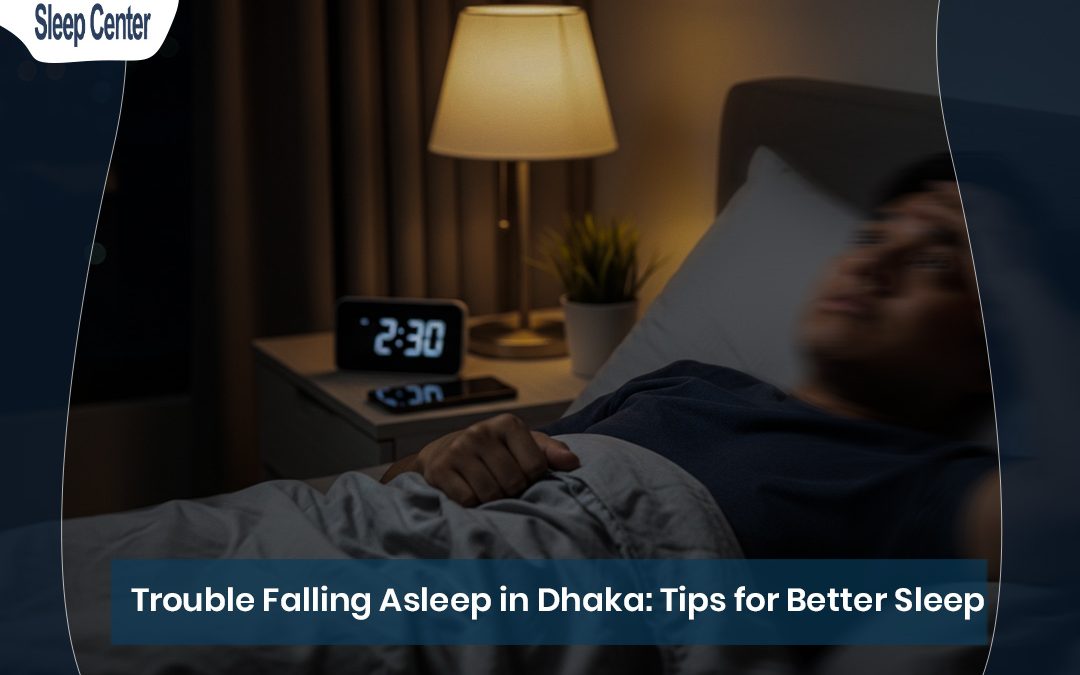
Trouble falling asleep is a widespread issue in Dhaka, where urban life, noise, and daily pressures often interfere with rest. Many residents experience difficulty initiating sleep, leading to frustration, fatigue, and reduced productivity. Studies show high rates of sleep problems in Bangladesh, with insomnia affecting a significant portion of the population—especially in urban areas like Dhaka—due to factors like stress, environmental noise, and lifestyle habits. Fortunately, understanding the causes and adopting practical strategies can help most people improve their sleep naturally.
What Causes Trouble Falling Asleep?
Difficulty falling asleep, often called sleep-onset insomnia, stems from a mix of physiological, psychological, and environmental factors. Common triggers include:
- Stress and anxiety from work, finances, family, or daily urban challenges, causing racing thoughts at night.
- Irregular sleep schedules, such as late nights from traffic, work shifts, or screen time.
- Caffeine, nicotine, or heavy meals consumed too late.
- Medical issues like chronic pain, acid reflux, hormonal changes, or conditions such as restless legs syndrome.
- Environmental disruptions, particularly in Dhaka, where high noise levels from traffic, construction, and horns—often exceeding 100 dB—disturb relaxation and trigger stress responses.
In Dhaka’s fast-paced environment, these factors combine to disrupt the body’s natural wind-down process.
Common Sleep Problems People Face in Dhaka
Dhaka residents frequently report:
- Prolonged time to fall asleep (over 30 minutes).
- Frequent awakenings due to external noise (traffic, calls to prayer, neighbors).
- Daytime fatigue, irritability, and poor concentration.
- Fragmented sleep from heat, humidity, or pollution-related discomfort. High prevalence of poor sleep quality is noted among urban populations, medical students, and professionals, often linked to psychological distress and lifestyle.
Signs You May Have Insomnia
Insomnia goes beyond occasional sleepless nights. Watch for:
- Difficulty falling asleep most nights.
- Waking up too early and unable to return to sleep.
- Feeling unrefreshed despite spending enough time in bed.
- Daytime symptoms like excessive tiredness, mood swings, headaches, or impaired focus/work performance. If these persist for weeks or months, it may indicate chronic insomnia requiring attention.
How Stress and Lifestyle Affect Your Sleep
Chronic stress activates the body’s fight-or-flight response, elevating cortisol and adrenaline, which keep the mind alert at bedtime. In Dhaka, economic pressures, traffic congestion, long commutes, and social media overuse exacerbate this. Lifestyle factors like irregular bedtimes, excessive screen exposure (blue light suppresses melatonin), lack of exercise, or evening caffeine/alcohol further disrupt circadian rhythms, making it harder to fall asleep.
Daily Habits That Improve Sleep Quality
Build these routines for better sleep:
- Stick to a consistent sleep-wake schedule, even on weekends.
- Get natural daylight exposure in the morning to regulate your internal clock.
- Exercise regularly (e.g., walking or yoga) during the day—avoid intense activity close to bedtime.
- Limit naps to 20-30 minutes early in the afternoon.
- Create a cool, dark, quiet bedroom—use fans, blackout curtains, or earplugs to combat Dhaka’s noise and heat.
- Reduce screen time 1-2 hours before bed; use blue-light filters if needed.
Best Bedtime Routine for Falling Asleep Faster
A relaxing pre-sleep ritual signals your body it’s time to wind down:
- Dim lights and avoid stimulating activities 1 hour before bed.
- Take a warm shower or bath to lower core body temperature.
- Practice relaxation techniques: deep breathing, progressive muscle relaxation, or gentle stretching.
- Read a book, listen to calm music, or journal to offload worries.
- Aim for 10-15 minutes of mindfulness or meditation to quiet racing thoughts.
Foods and Drinks That Help or Hurt Sleep
Helpful options (consume 1-2 hours before bed):
- Warm milk or herbal teas like chamomile (calming, promotes relaxation).
- Foods rich in tryptophan/magnesium: bananas, almonds, walnuts, or a small bowl of oatmeal.
- Tart cherry juice or kiwi fruit (natural melatonin sources).
Avoid:
- Caffeine (tea, coffee, energy drinks) after midday.
- Heavy, spicy, or fatty meals that cause indigestion.
- Alcohol—it may help you fall asleep initially but fragments sleep later.
- Sugary snacks or large amounts of fluids to prevent nighttime bathroom trips.
Natural Remedies to Improve Sleep
Try these evidence-based approaches:
- Herbal teas (chamomile, peppermint) for soothing effects.
- Aromatherapy with lavender oil on pillows.
- Leg stretches or warm foot baths to ease tension.
- Mindfulness apps or guided imagery for stress reduction.
- Consistent physical activity and limiting daytime napping.
When to See a Sleep Specialist in Dhaka
Consult a specialist if trouble falling asleep persists despite lifestyle changes, lasts over a month, or severely impacts daily life. Seek help sooner if accompanied by snoring/gasping (possible sleep apnea), leg discomfort, depression/anxiety, or chronic health conditions.
In Dhaka, reputable options include Sleep Center BD (specializing in sleep studies and insomnia treatment), Evercare Hospital’s Respiratory & Sleep Medicine department, Square Hospital, United Hospital, or ENT/sleep clinics offering polysomnography and CBT-I (cognitive behavioral therapy for insomnia).
Medical Treatments for Chronic Sleep Problems
For persistent cases:
- Cognitive Behavioral Therapy for Insomnia (CBT-I) — First-line non-drug treatment, highly effective and available at specialized centers.
- Medications like short-term sedatives or melatonin agonists (prescribed cautiously).
- Addressing underlying issues (e.g., treating anxiety, iron deficiency, or sleep apnea with CPAP).
- Sleep studies to diagnose hidden disorders.
Improving sleep takes time and consistency, but most people in Dhaka see noticeable benefits from these changes. Prioritize rest—better sleep enhances health, mood, and productivity in our demanding city life. If struggles continue, professional guidance from a local sleep expert can make a big difference.