
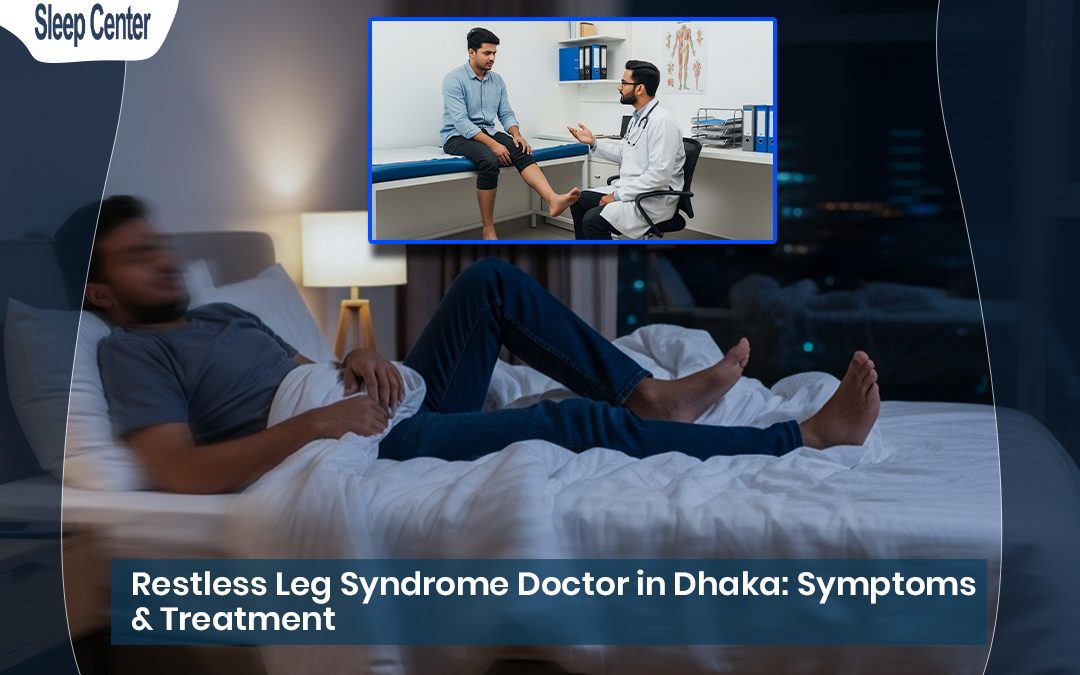
Restless Leg Syndrome (RLS), also known as Willis-Ekbom Disease, is a common neurological disorder that causes an irresistible urge to move your legs, often accompanied by uncomfortable sensations. This condition can significantly disrupt sleep and daily life, but effective management is available. In Dhaka, specialized sleep centers and neurologists offer expert care for RLS and related sleep disorders.
What Is Restless Leg Syndrome (RLS)?
Restless Leg Syndrome is a brain and nerve condition that triggers a strong, nearly irresistible urge to move the legs, particularly during periods of rest or inactivity. Symptoms typically worsen in the evening or at night, making it difficult to relax or fall asleep. It primarily affects the legs but can occasionally involve the arms. RLS is considered a sleep-related movement disorder and often coexists with periodic limb movement disorder (PLMD), where involuntary leg jerks occur during sleep.
Common Symptoms of Restless Leg Syndrome
The hallmark symptom is an overwhelming urge to move the legs, usually paired with unpleasant sensations described as:
- Crawling or creeping
- Tingling or pins and needles
- Aching, throbbing, or pulling
- Itching or burning
These sensations typically:
- Begin or intensify during rest (sitting, lying down, or inactivity, such as during long flights or movies).
- Are partially or fully relieved by movement like walking, stretching, or jiggling the legs.
- Worsen in the evening or nighttime.
- Improve or disappear in the morning.
Additional effects include difficulty falling asleep, frequent awakenings, daytime fatigue, and involuntary leg twitching during sleep.
Causes and Risk Factors of RLS
The exact cause of primary (idiopathic) RLS is often linked to imbalances in brain chemicals like dopamine, which regulates movement. Genetics play a major role—RLS often runs in families.
Secondary RLS can stem from:
- Iron deficiency (low ferritin levels, even without anemia).
- Pregnancy (especially in the later stages).
- Chronic conditions like kidney failure, diabetes, Parkinson’s disease, or peripheral neuropathy.
- Certain medications (e.g., antidepressants, antihistamines, or anti-nausea drugs).
- Lifestyle factors such as caffeine, alcohol, or lack of exercise.
Risk factors include being female, middle-aged or older, and having a family history.
When Should You See a Doctor for RLS in Dhaka?
Seek professional help if RLS symptoms:
- Occur frequently and disrupt sleep or daily activities.
- Cause significant daytime tiredness or mood changes.
- Worsen over time or don’t improve with basic lifestyle adjustments.
- Are accompanied by other issues like leg swelling, pain, or suspected iron deficiency.
In Dhaka, consult a sleep specialist, neurologist, or doctor at centers like Sleep Center BD or hospitals with sleep medicine expertise. Early evaluation can identify treatable underlying causes and prevent long-term sleep deprivation effects.
How Doctors Diagnose Restless Leg Syndrome
Diagnosis relies on your symptoms and medical history—no specific lab test or imaging confirms RLS. Doctors use criteria from the International Restless Legs Syndrome Study Group:
- Urge to move legs with uncomfortable sensations.
- Symptoms worsen at rest.
- Relief with movement.
- Evening/nighttime worsening.
- No other condition explains the symptoms.
They may order blood tests (for iron/ferritin levels, kidney function, etc.), sleep studies (polysomnography) to check for PLMD, or rule out similar conditions.
Best Treatment Options for Restless Leg Syndrome
Treatment focuses on symptom relief and addressing causes. Mild cases may respond to lifestyle changes alone, while moderate to severe RLS often requires medications.
Medications Used to Treat RLS
Common options include:
- Dopamine agonists (e.g., pramipexole, ropinirole, rotigotine patches) to boost dopamine levels—often first-line but monitored for side effects like augmentation (worsening over time).
- Anti-seizure drugs (e.g., gabapentin, pregabalin, or gabapentin enacarbil) for moderate-severe cases.
- Iron supplements (oral or IV) if deficiency is present—these can dramatically improve symptoms.
- In severe, refractory cases: opioids or benzodiazepines (used cautiously due to risks).
Always consult a specialist to tailor treatment and avoid augmentation.
Lifestyle Changes to Manage RLS Symptoms
Simple adjustments often provide significant relief:
- Maintain a regular sleep schedule and good sleep hygiene (consistent bedtime, cool/dark room).
- Engage in moderate exercise (e.g., walking or yoga) earlier in the day—avoid intense workouts close to bedtime.
- Reduce caffeine, alcohol, and nicotine, especially in the evening.
- Avoid prolonged sitting or inactivity; take breaks to stretch during long periods.
- Practice leg massages, warm baths, or alternating hot/cold packs before bed.
Home Remedies for Restless Leg Syndrome Relief
Try these non-medical approaches:
- Warm baths or showers to relax muscles.
- Gentle leg stretches or massages.
- Pneumatic compression devices or vibration pads (if available).
- Iron-rich diet (spinach, red meat, lentils) paired with vitamin C for better absorption—if deficiency suspected.
- Relaxation techniques like deep breathing, meditation, or yoga to reduce stress.
Tips for Better Sleep with Restless Leg Syndrome
- Establish a calming bedtime routine (reading, dim lights).
- Keep a symptom journal to identify triggers.
- Use comfortable bedding and position legs elevated if helpful.
- Address co-existing issues like sleep apnea through professional evaluation.
- Seek support—RLS can be frustrating, but many find relief with combined approaches.
If you’re in Dhaka and struggling with RLS, reach out to a specialized sleep center or neurologist for personalized care. With proper diagnosis and management, most people achieve better sleep and improved quality of life.