
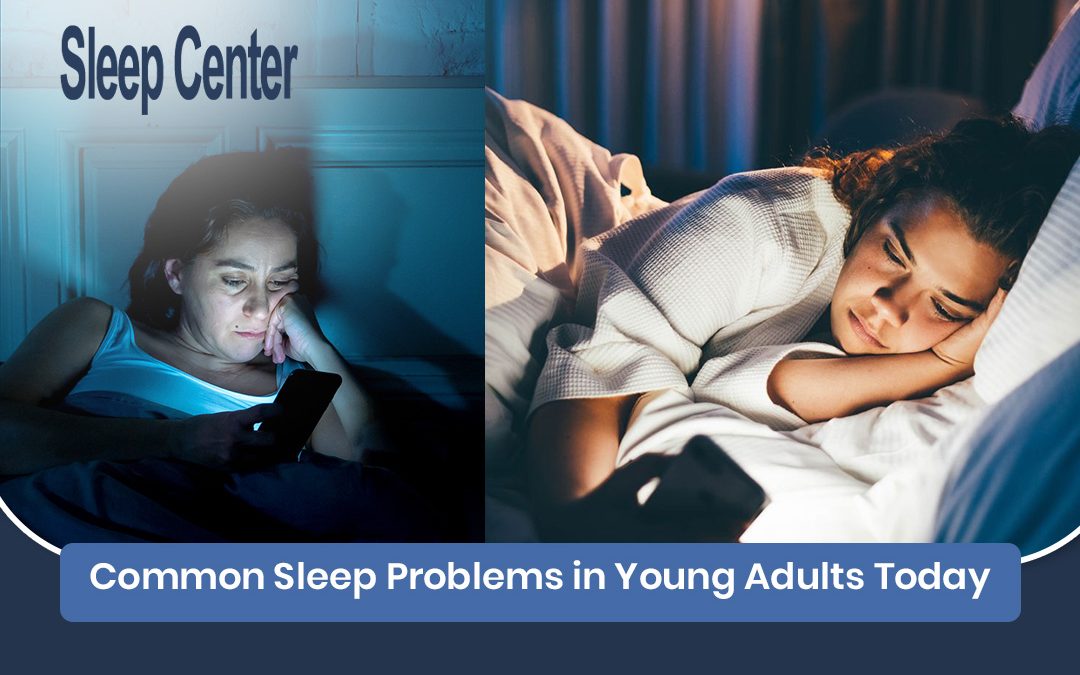
Young adults, typically aged 18-30, often struggle with getting consistent, high-quality sleep due to a combination of academic demands, early career pressures, social lifestyles, shifting circadian rhythms, and heavy reliance on technology. Research indicates that many in this age group average less than the recommended 7-9 hours per night, leading to impaired focus, emotional instability, weakened immune function, and higher risks for long-term health issues like obesity, diabetes, and mental health disorders.
Here are some of the most prevalent sleep problems affecting young adults today.
Insomnia: Trouble Falling or Staying Asleep
Insomnia is among the top sleep complaints in young adults, with studies showing that 10-30% of the general adult population experiences it, and rates can reach up to 29% in those aged 18-24. It involves difficulty falling asleep, frequent awakenings, or waking too early, resulting in non-restorative sleep and daytime fatigue. Stress, irregular schedules, and rumination often fuel this cycle.
Delayed Sleep Phase Syndrome
Delayed Sleep Phase Syndrome (DSPS) is a circadian rhythm disorder common in adolescents and young adults, affecting 7-16% of this demographic. The body’s internal clock shifts later, making it difficult to fall asleep at a conventional bedtime and wake up early. This natural delay in melatonin release often clashes with school or work schedules, leading to chronic sleep deprivation on weekdays.
Excessive Daytime Sleepiness
Feeling overwhelmingly sleepy during the day, even after a full night in bed, is a frequent issue. It can cause nodding off in class, at work, or while driving, posing safety risks. This symptom often results from fragmented sleep, underlying disorders, or accumulated sleep debt, significantly affecting academic performance and productivity.
Sleep Deprivation from Academic or Work Stress
Many young adults voluntarily cut sleep short to meet deadlines, study for exams, or handle shift work. This chronic partial sleep deprivation builds a “sleep debt” that impairs memory consolidation, decision-making, and stress resilience. Surveys reveal that academic and workplace pressures contribute to sleep disturbances in a majority of cases.
Poor Sleep Hygiene Habits
Sleep hygiene encompasses daily habits that promote or hinder restful sleep. Inconsistent bedtimes, uncomfortable sleep environments, eating heavy meals late, or engaging in stimulating activities before bed are common pitfalls. Adopting consistent routines and a calming pre-sleep ritual can markedly improve sleep quality.
Technology and Screen Time Interference
Extended use of smartphones, tablets, and computers—especially in the evening—disrupts sleep significantly. Blue light emitted from screens suppresses melatonin production, delaying sleep onset, while stimulating content (social media, games, videos) heightens alertness. Research shows that each additional hour of screen time before bed can reduce total sleep time and deepen insomnia symptoms.
Anxiety-Related Sleep Disturbances
Anxiety is prevalent among young adults and frequently manifests as racing thoughts or worry at bedtime, preventing relaxation. This creates a bidirectional problem: anxiety disrupts sleep, and poor sleep intensifies anxiety. Co-occurring conditions like depression further complicate the picture.
Caffeine and Stimulant Effects on Sleep
Coffee, energy drinks, tea, and other caffeinated beverages are staples for staying alert, but caffeine’s long half-life (up to 8-10 hours in some individuals) can interfere with falling asleep and reduce deep sleep stages. Consuming caffeine in the afternoon or evening is particularly problematic and should ideally be avoided after early afternoon.
Napping Patterns and Their Impact
While brief power naps (20-30 minutes) can boost alertness, longer or poorly timed naps (late afternoon or evening) diminish nighttime sleep drive. Irregular napping, common among students cramming or workers on variable schedules, can fragment the overall sleep-wake cycle and worsen insomnia.
Nighttime Social Activities Affecting Sleep
Late-night socializing, parties, gaming sessions with friends, or weekend events often push bedtimes later. This leads to “social jet lag,” where weekday and weekend sleep schedules differ dramatically, mimicking the effects of crossing time zones and accumulating weekly sleep debt.
Prioritizing sleep is essential for physical health, mental clarity, and emotional well-being. Simple changes—such as maintaining a consistent sleep schedule, limiting caffeine and screens in the evening, practicing relaxation techniques, and managing stress—can yield significant improvements. If sleep problems persist despite lifestyle adjustments, consulting a healthcare provider or sleep specialist for evaluation (possibly including cognitive behavioral therapy for insomnia) is recommended. Addressing these issues early can prevent long-term consequences and enhance overall quality of life.